Case study: Selective Dry Cow Therapy reducing antimicrobial use and resistance
29 May 2026
Keeping the prevalence of antimicrobial resistance
(AMR) low, and ensuring that antibiotics remain
effective in the long-term, are a key part of the
updated prescribing advice for dry cow therapy
(DCAT) which comes into effect on 1 January 2027.
The Veterinary Council of New Zealand’s new
Statement on the authorisation of dry cow therapy
supports a shift in practice to selective DCAT,
backed by research which found it is unlikely that
herds with a low bulk milk somatic cell count,
low incidence rate of clinical mastitis, and low
culling percentage for mastitis-related problems
have many cows truly infected at the time of
dry-off. Where a cow is unlikely to be infected,
internal teat sealants (ITS) should be used rather
than antibiotic dry cow therapy, to prevent new
infections over the non-lactating period. DCAT
remains the appropriate choice for individual cows
where infection is indicated.
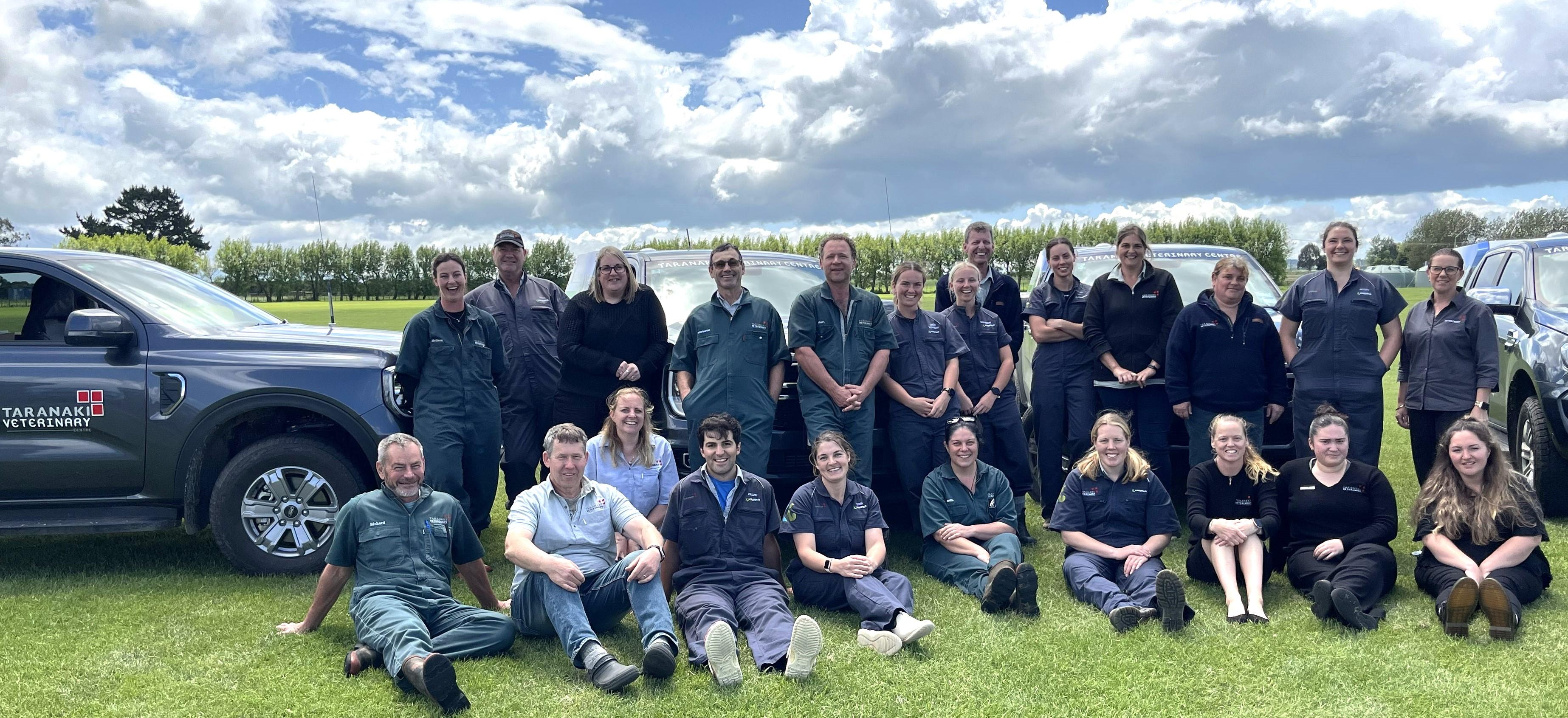
At Taranaki Veterinary Centre, reducing the use of
critically important antibiotics and reducing whole
herd DCAT usage has been underway for several
years, and is achieving great results.
The Centre, which has clinics in Stratford, Waverley,
Patea, Hawera and Manaia, has a diverse client
base, with dairy farms making up about 80 per cent
of it.
Read more